I have an old friend and mentor who is also a birdwatcher. “It’s not so much that I am interested in birds,” he once told me. “It’s that being a bird watcher has forced me to slow down. To be quiet. To pay attention. To look deliberately.”
A. O. Scott wrote an article this week in the New York Times Magazine about writer and art critic John Berger.
“Right now, we’re in the midst of an attention crisis, individually and collectively snared in an infinite scroll of disruption and distraction. Berger saw this crisis coming and foresaw its consequences. In 1978, writing about photography and its impact on the modern world, he argued that the dominance of images “creates an eternal present of immediate expectation: Memory ceases to be necessary or desirable. With the loss of memory, the continuities of meaning and judgment are also lost to us.”
Berger wrote deliberately about art not necessarily as an art critic, comparing one painter against another or one movement to another. Instead he wrote about art as the discipline of seeing.
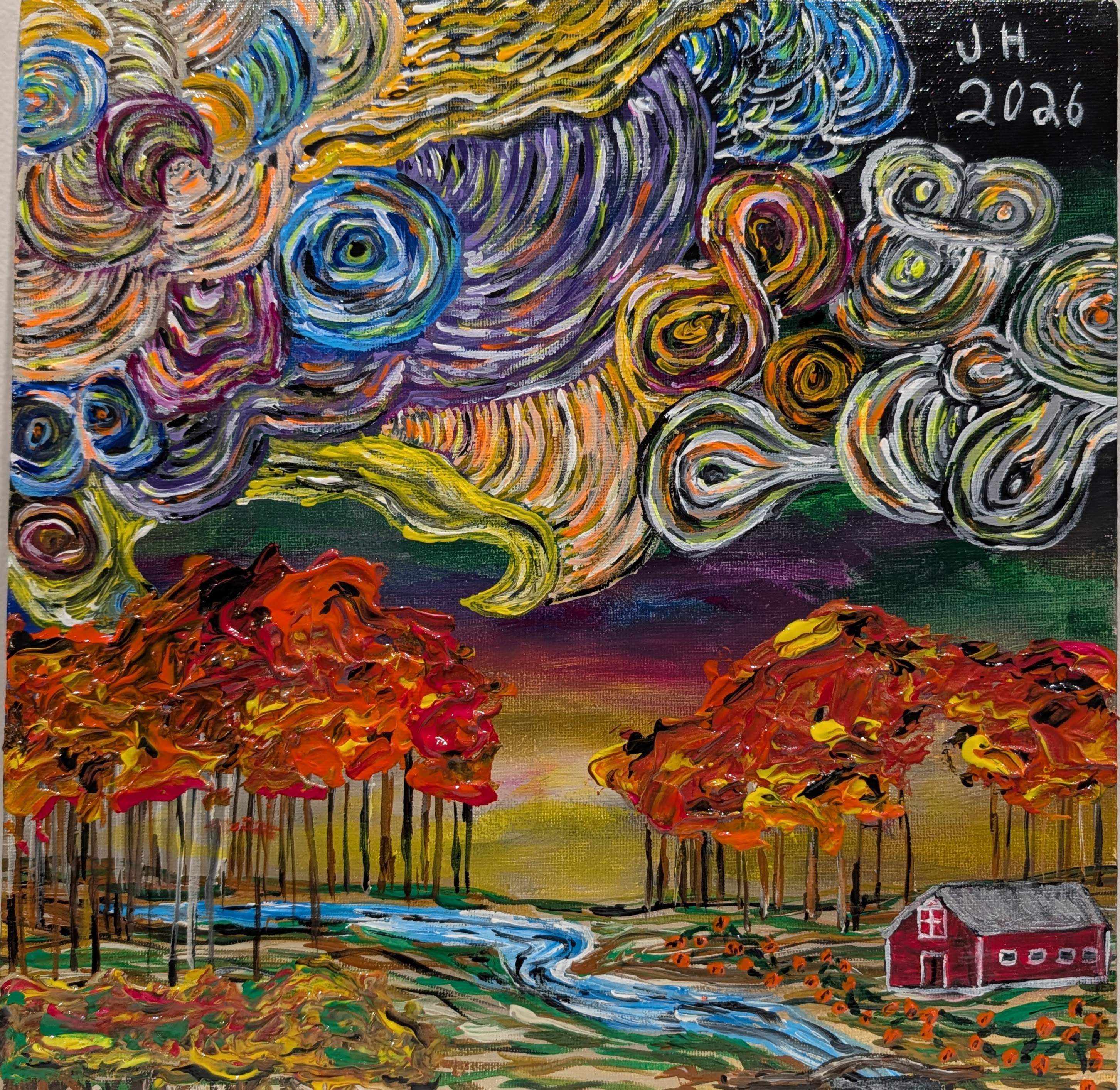
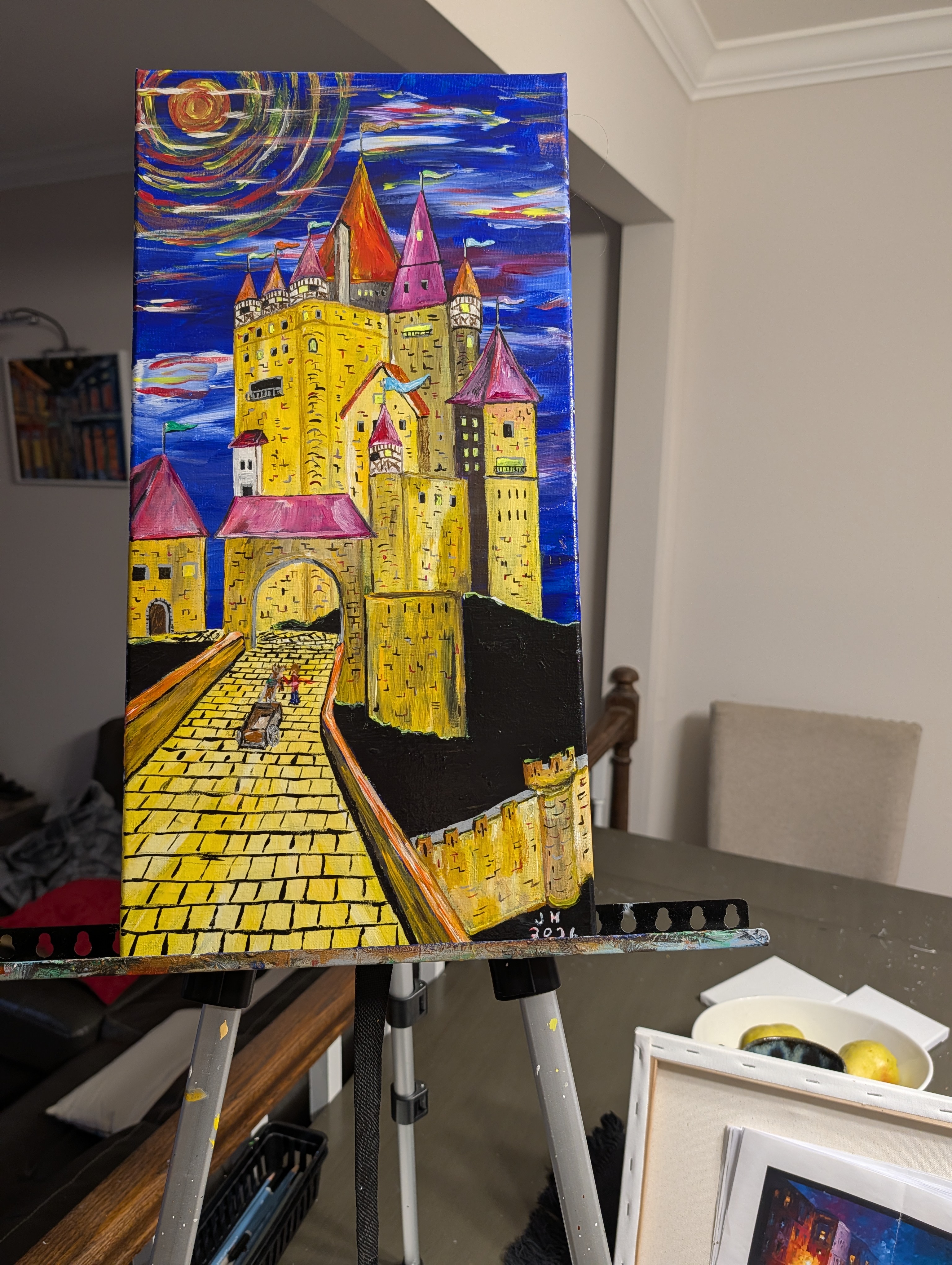
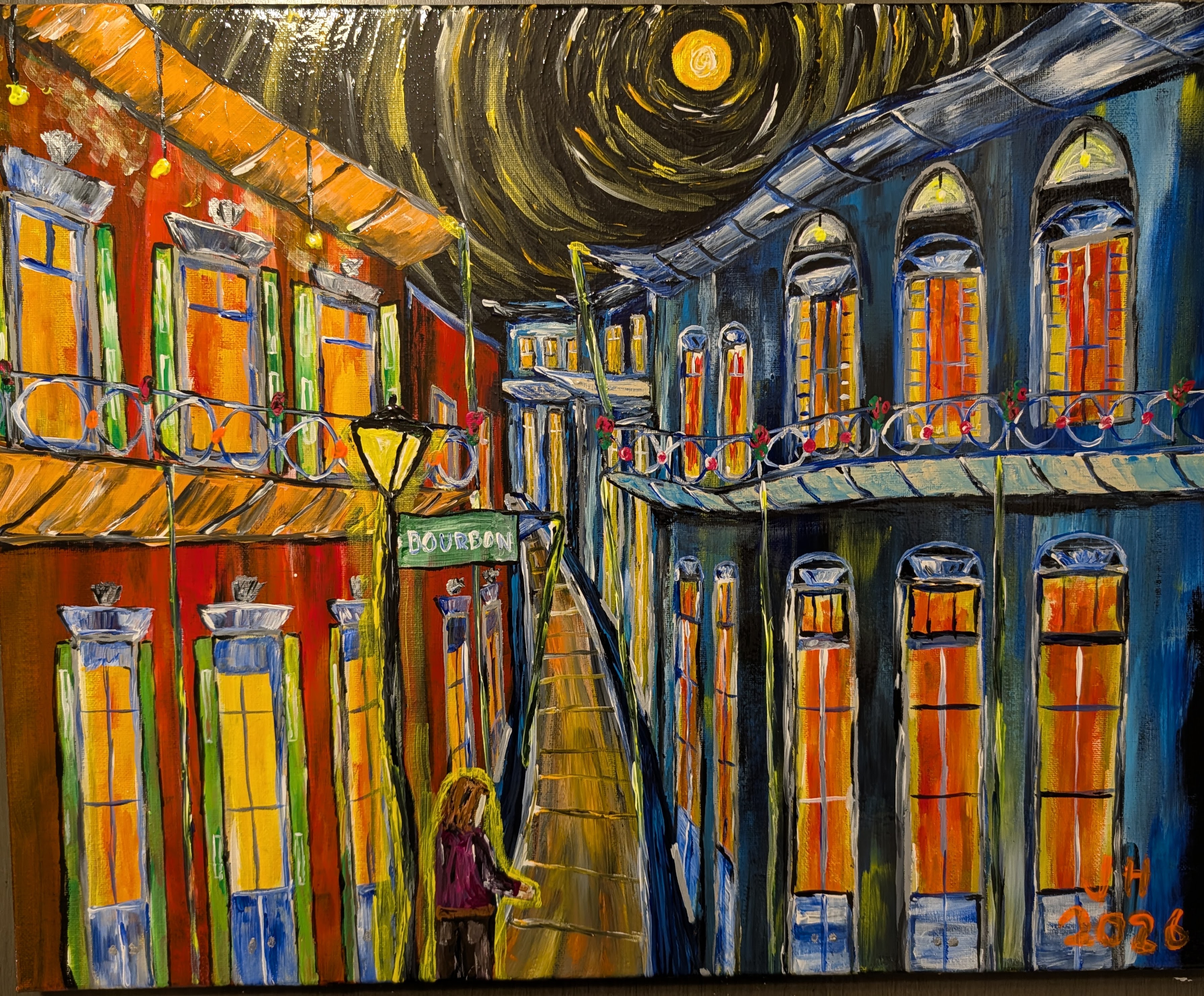
I’ve recently myself begun painting. After years and years of writing, I suddenly and deliberately switched to colors on canvas. I don’t really know why, except maybe I grew tired of the avalanche of words that nobody read. At least in a painting, you have everything there at one glance. No need to force the discipline on others of sitting down and plodding through 100,000 words. It wasn’t working anyways. But it is more than that — like my old mentor found in birdwatching, I found that in painting I can slow down. Try and find the right balance of colors. Try and identify a way to highlight one piece of the composition; to put shadow or highlight — I have learned to look, to glory in colors, to try and think about what I’m trying to express and how a specific shape or shade delivers emotions. But also:
“An oil painting may be an object, a commodity in the marketplace, but it’s never only that. It is also the expression of the painter’s subjectivity, the work of hands that reach across time and geography to find receptive eyes.”
I love to think about my paintings, hanging in houses near and far, where strangers pass by and glance before they move on — maybe thinking of criticism or maybe captured by a color or a shadow. And how this will keep happening forever, because who ever destroys art? And while books sit on a shelf, never to be opened, a painting forces itself on people, to see the world the way I saw it, if only for a split second.
And that is fun.